
SiOPack® Improves Process Stability and Water Barrier of Dry-Fiber Packaging
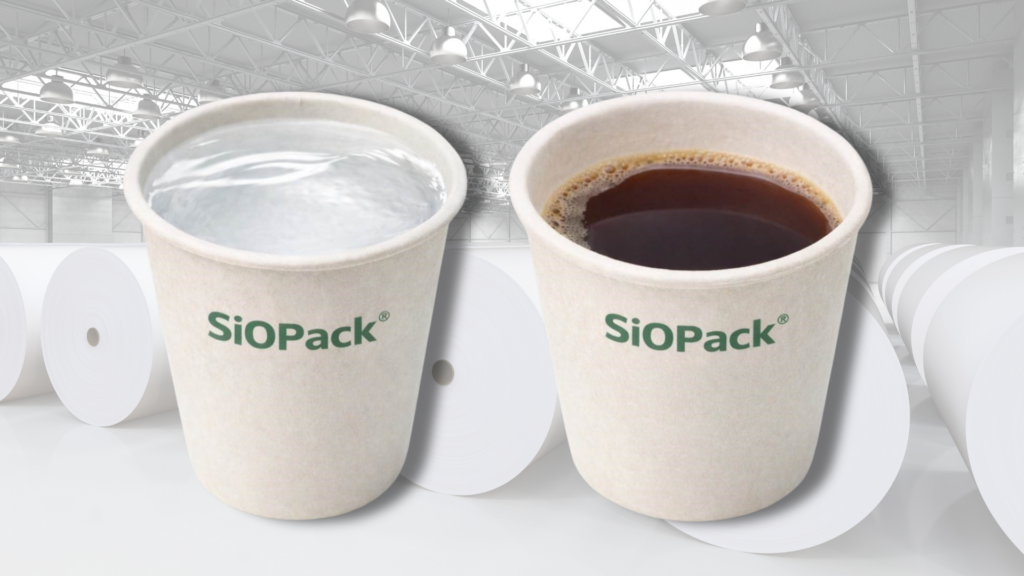
New barrier technology stabilizes dry-fiber geometries under humid process conditions and improves further processing on industrial filling lines. By Dieter Schwindt, certified expert for nanotechnology and surface applications. Dry-fiber packaging is regarded as a promising approach to reducing plastic-based packaging solutions. In industrial practice, however, a central problem emerges: under humid process conditions, the materials quickly lose mechanical stability. This can lead to deformation, disruptions in machine handling and, in the worst case, downtime on filling lines. This is particularly critical in applications with high humidity or direct contact with liquids, as is common in the food and beverage industry. Existing hydrophobization solutions often reach their limits here, as they either impair forming or are not optimally scalable in economic and process terms. Challenges of dry fiber in humid process environments Dry-fiber packaging is sensitive to increased humidity and direct contact with water. Even under moderate climatic conditions, a significant reduction in mechanical stability can occur. On industrial filling lines – especially in areas with moisture ingress or direct contact with liquids – this problem is further amplified. Components can swell or lose their shape, which impairs machine handling. The consequences are disruptions on the filling line, increased reject rates and potential downtime. In practice, such effects frequently lead to additional cleaning cycles and a restart of the production line – a clear economic disadvantage. Limits of existing solutions Conventional hydrophobization methods such as AKD can only be used to a limited extent with dry fiber. A key approach in dry-fiber processing is instead to leave the fibers unaffected during forming, so that processes such as stretching and drawing can be carried out completely and without restrictions. The functional barrier is therefore deliberately applied only after forming. In many cases, an additional external coating is thus required. Alternative approaches – such as the use of MFC for hydrophobization – are known, but are often associated with higher costs and reduced process speed. An industrially scalable solution with a stable barrier effect and good processability therefore remains a challenge. SiOPack® as a solution approach With SiOPack® technology, a coating system is available that enables a stable water barrier on fiber-based materials without affecting the forming process. The aim is to reduce moisture absorption while improving the mechanical stability of components during further processing. The results to date show that significant improvements can be achieved through the use of suitable barriers: reduced moisture absorption improved dimensional stability of dry-fiber components more stable machine handling during further processing lower reject rates increased process reliability on filling lines Test results under practical conditions The results obtained show an improvement in storage and process stability. Storage times of more than 150 days could be achieved under non-climate-controlled conditions without significant losses in top-load stability. The results indicate potential for future applications in the field of hot beverages and other moisture-sensitive packaging applications. Assessment from industry practice Packaging expert Stephan Halstrick of HALSTRICK Consulting Services – The Packaging Experts – has examined the SiOPack® barriers in his own tests and sees particular potential for improving the process stability of dry-fiber packaging: […]
Truck Cleaning in the Fleet: Clean Vehicles – Even After Three Years
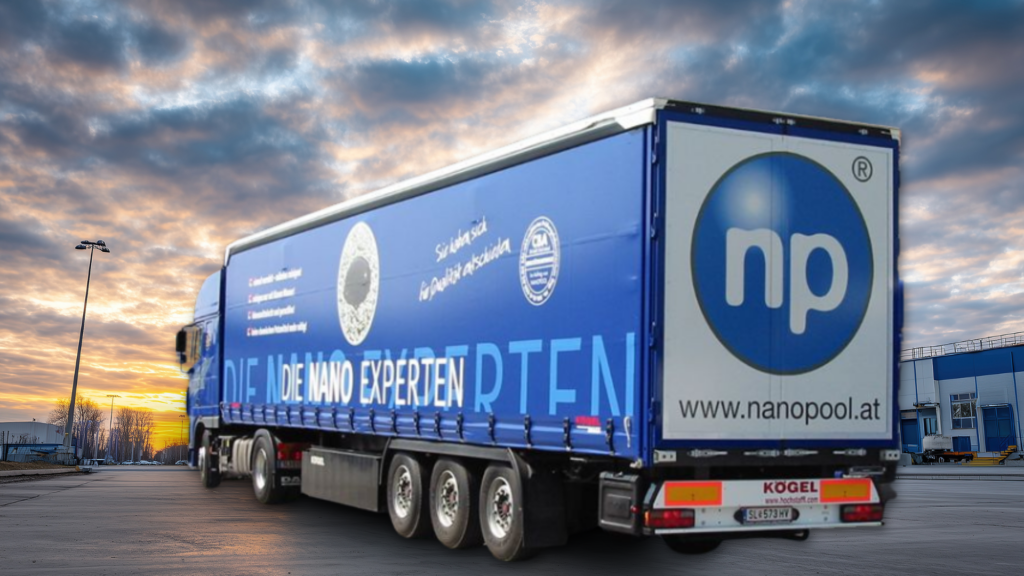
A logistics customer reports: even after three years, the treated trucks are cleaned mainly with plain water. A field report on surface treatment in fleet operation.
Hygiene Is No Accident – It Is the Result of Conscious Decisions.

With the construction of the new “Pusteblume” daycare center in the municipality of Schwalbach, whose opening is scheduled for April 17, exactly such a decision was made: by using the Bacterlon® surface coating technology, the transmission of germs on frequently touched contact surfaces is to be reduced – in the very places where children will […]
FACHPACK 2025 – Premiere for Glassine by SiOPack®
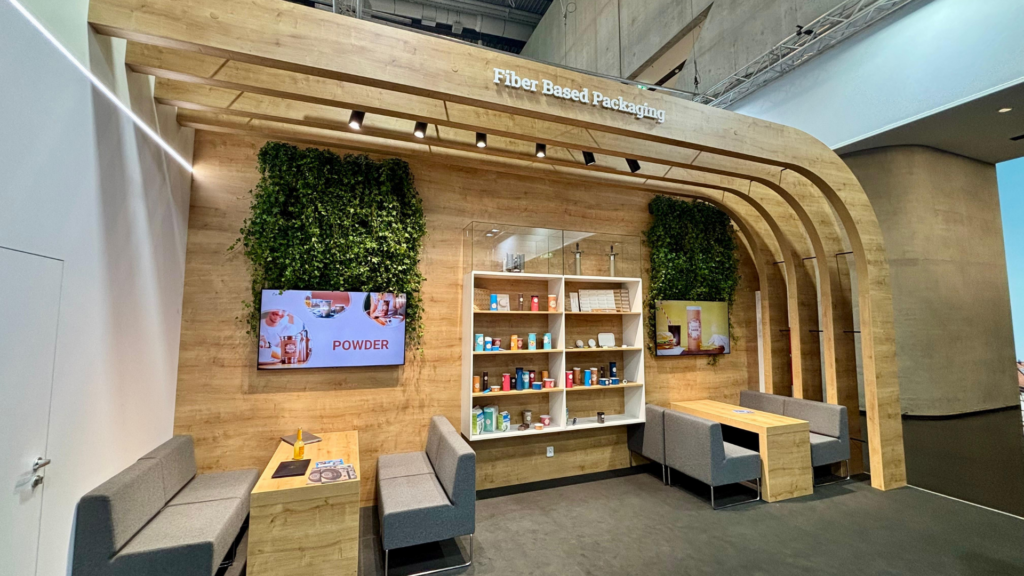
FACHPACK 2025 – Premiere for Glassine by SiOPack® For the first time, round tins with a glassine paper viewing window – as transparent as plastic and designed for recycling in the paper stream. The premiere at FACHPACK 2025 At this year’s FACHPACK, together with our partner Optima, we presented a true innovation: the first retail […]
Invisible monument protection: How Liquid Glass technology preserves historic building fabric
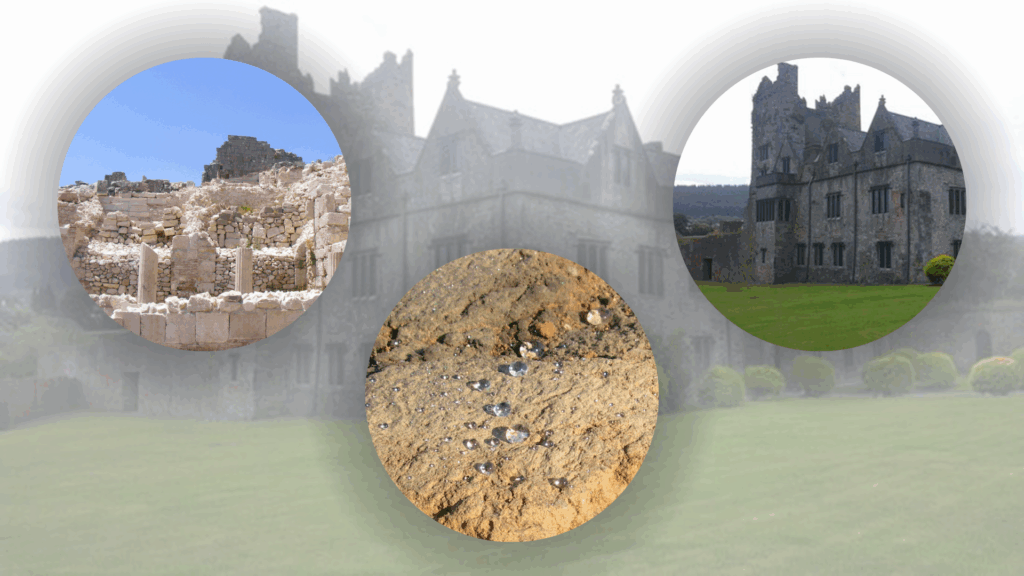
How can historic building fabric be protected without altering it? An overview of NP® Liquid Glass in heritage conservation and archaeology.
The Natural Stone Stays. The Stains Don’t.
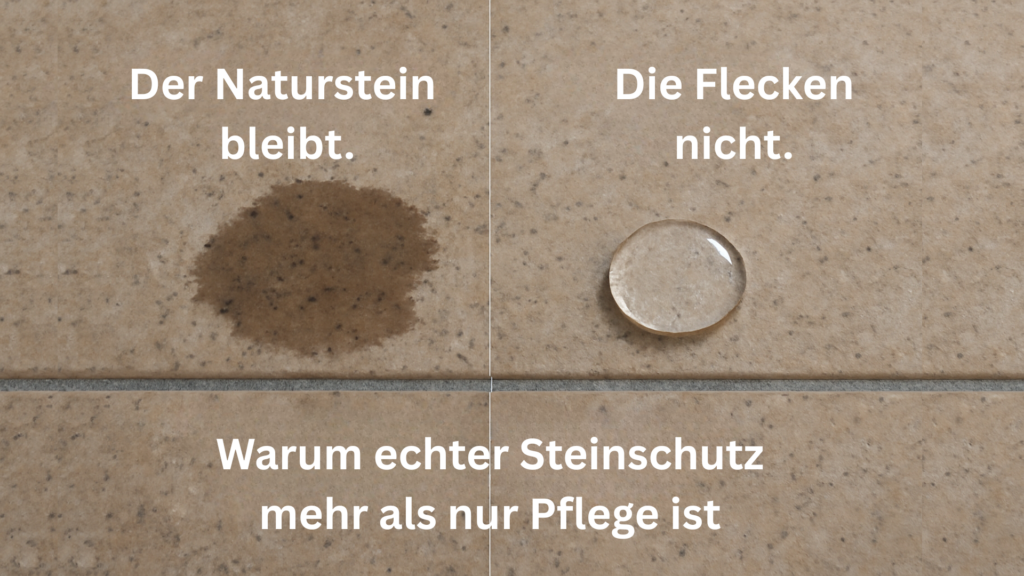
Why real stone protection is more than just maintenance. The terrace was once immaculate – now small dark spots appear on and between the slabs. Nanopool’s Liquid Glass forms an invisible, breathable layer that makes water and dirt bead off and is designed to repel oils and stains – protection exactly where it is needed.
Skin Protection Reimagined: Why NP® Glove Could Mark the Beginning of a New Era
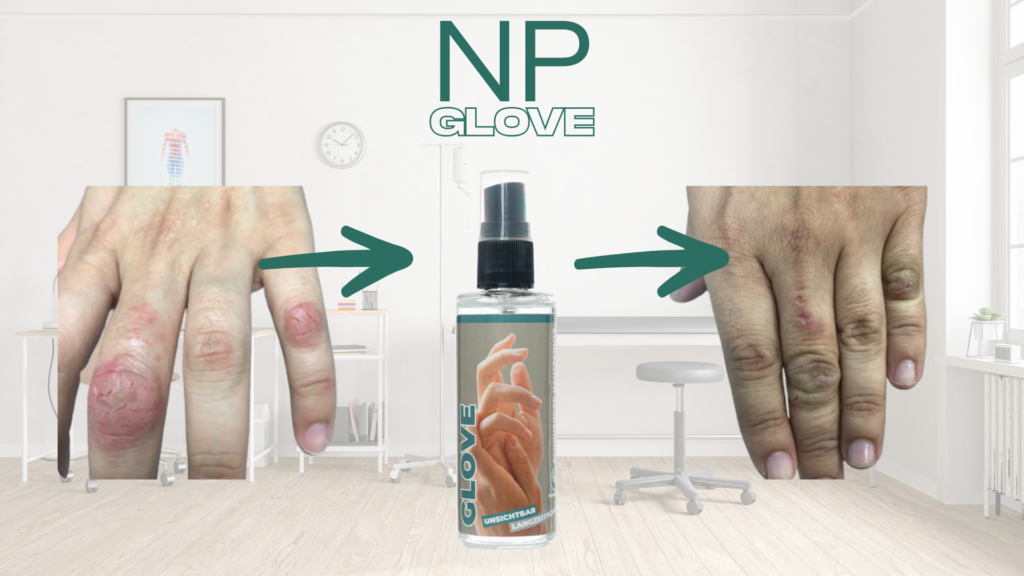
Occupational dermatitis affects more than 20 million people worldwide and costs billions. How NP® Glove rethinks skin protection with innovative SiO₂ technology – as a preventive skin-protection approach in the form of a cosmetic product. For more than 100 years, skin protection has followed a simple principle: when something is red, sore, or irritated, we apply cream. But what if we could prevent it from ever getting that far? That is exactly what NP® Glove promises – a new technology that does not treat, but prevents.
Glassine by SiOPack®: A Paper-Based Alternative for Window Packaging
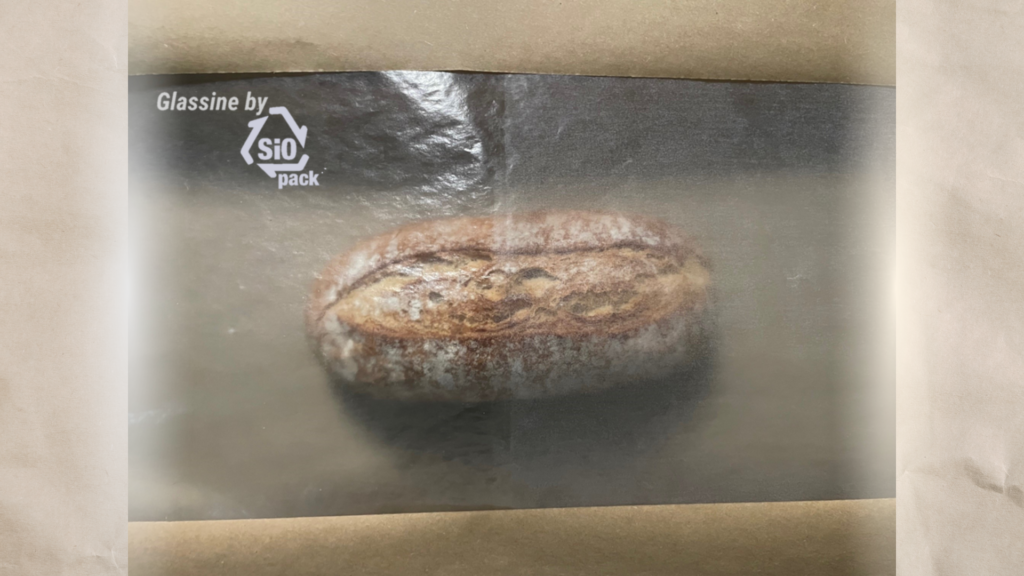
Glassine by SiOPack® upgrades conventional glassine paper with a transparent barrier coating – a paper-based alternative to plastic viewing windows.
Nano Glass Refinement in Action:
The Gioia 22 Tower in Milan, with over 35,000 m² of glass facade, relies on the hydrophobic nanopool® glass coating to reduce the cleaning effort of its facade.
Using Existing Photovoltaic Systems More Efficiently – with the NP® PV Matrix
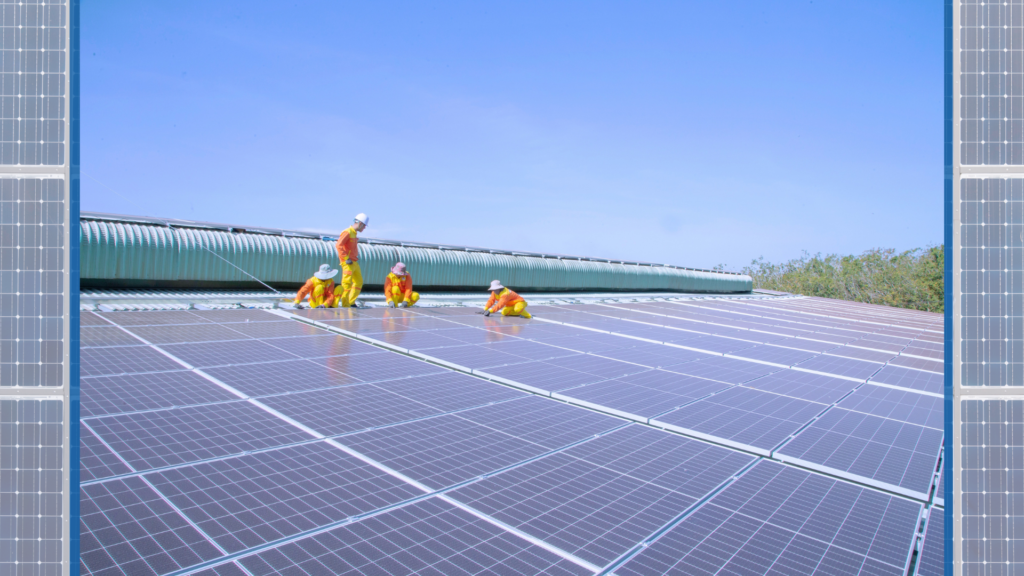
The NP® PV Matrix is a nanoscale coating for existing solar modules. Field installations have shown yield effects depending on location, system age and degree of soiling.