

Glass & Ceramic – nanopool® Glass Coating & surface enhancement
Nano liquid glass enhancement – durable surface protection for architecture, industry and commercial applications
With the nanopool® glass coating you protect glass and ceramic surfaces permanently, hygienically and invisibly.
The technology was developed for professional use – wherever efficiency, economy and sustainability matter in building operations.
Whether façade, production environment or sanitary area – the nano glass enhancement dramatically reduces cleaning effort, extends maintenance intervals and ensures consistently clean surfaces.
Enhance glass with nanotechnology – invisible, effective, economical
The nanopool® glass surface enhancement is based on patented nano-technology using liquid glass (silicon dioxide).
The molecular-thin layer bonds permanently with the surface without changing transparency or feel – and creates a lasting hydrophobic effect.
Result: water, lime, oil and dirt can barely adhere – glass and ceramic remain clean for longer, maintenance effort is noticeably reduced.
Ideal for:
- Glass façades, window areas & architectural glass
- Glass-ceramic & enamel
- Tiles & ceramic surfaces in sensitive areas
Benefits for commerce, industry & architecture

Reference:
Gioia 22 Tower, Milan – Nano Glass Refinement in High-Rise Construction
Gioia 22 Tower Milan – nano glass enhancement in high-rise construction
The Gioia 22 Tower in Milan has more than 35,000 m² of glass façade.
To reduce maintenance and cleaning costs the entire façade was treated with the nanopool® nano glass coating.
The hydrophobic liquid‐glass technology provides permanent protection against dirt, exhaust deposits and lime – while maintaining transparency.
Result: fewer cleaning cycles, reduced water and chemical consumption, clearer glass surfaces in the long term.
👉 Find out more in our blog article on nano glass refinement at the Gioia 22 Tower
Applications of the nano glass coating
The applications of the nanopool® nano glass coating are varied.
Anywhere glass and ceramic are used in commercial settings, the technology ensures efficient cleaning, durability and sustainability.
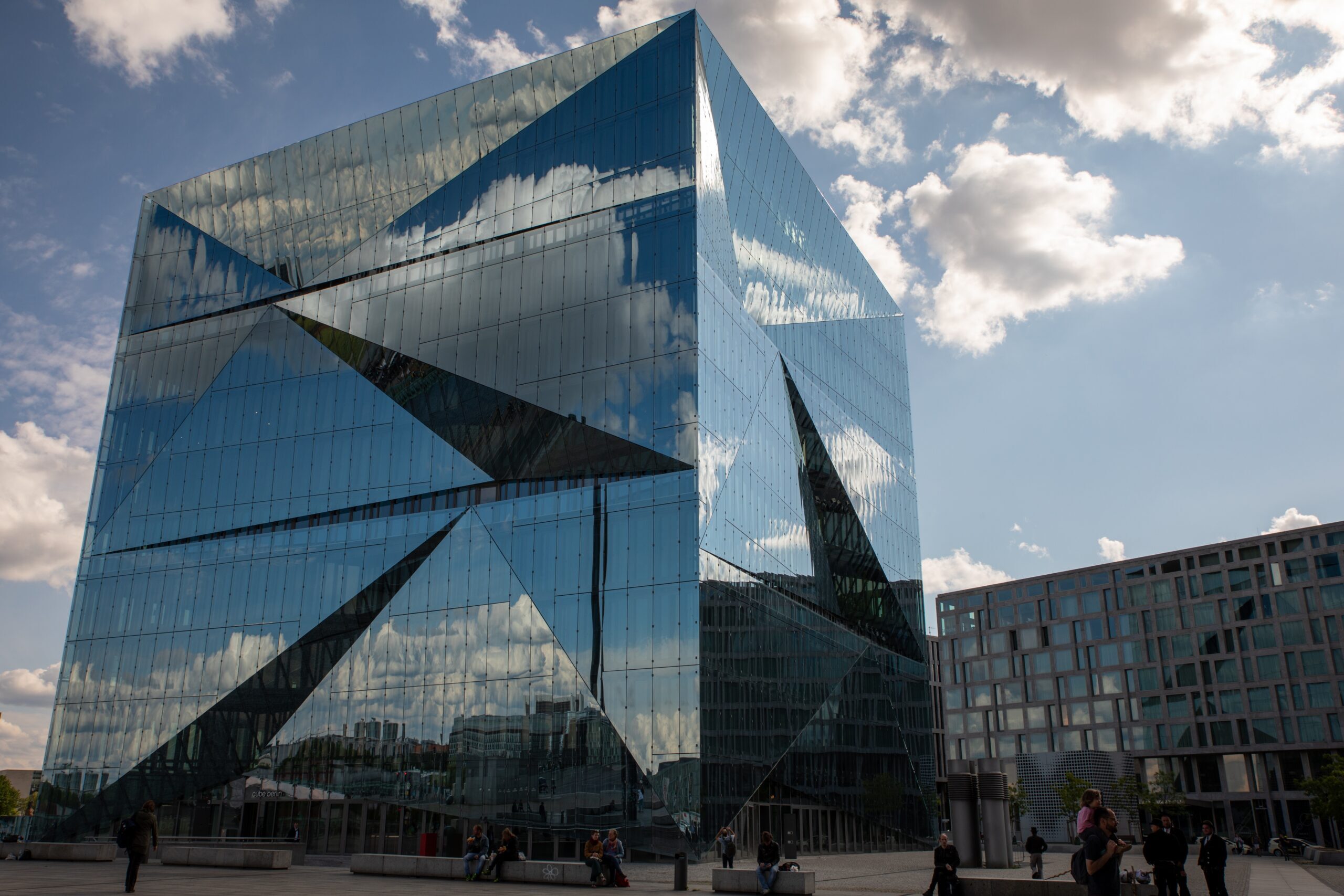
Architecture & façades
For large-scale glass façades, conservatories and external glazing. The nanopool® glass coating protects glass surfaces permanently from weathering, dirt and environmental deposits – with zero visual change.
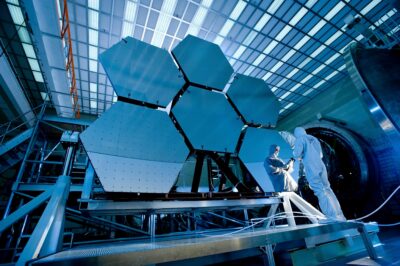
Industry & commercial use
For glass and ceramic surfaces in production facilities, laboratories, gastronomy or public buildings. The hydrophobic nano glass enhancement prevents the adherence of lime, dust and chemical residues – even under heavy use.
Used in food production, pharmaceuticals, chemicals, large kitchens and labs.
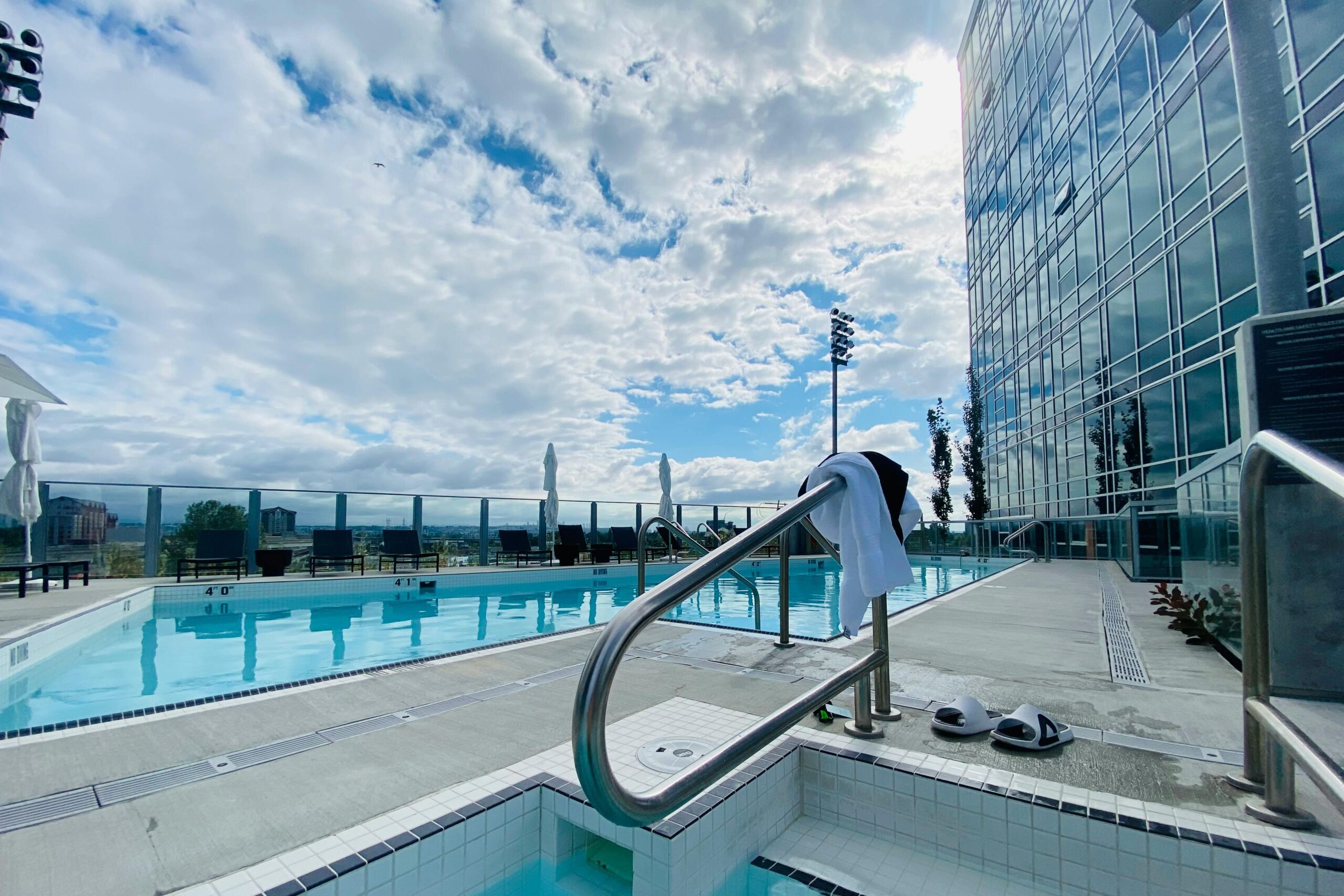
Hotel, spa & sanitary installations
For heavily used glass and ceramic surfaces in hotels, wellness centres, swimming pools and sanitary areas.
The liquid-glass technology offers lasting protection against lime and soap residue – without aggressive cleaning agents. Less care effort, longer lasting cleanliness, optimised operating costs.
Whether in production or ongoing operation
NP® Liquid Glass enhances quality, reduces costs and increases the long-term value of your surfaces.
Safety & Quality – Independently Verified
The nanopool® technology is tested by independent institutes and meets international standards for environmental compatibility, product safety and hygiene.
Thus partners from industry, architecture and facility management can rely on durable, compliant solutions.
- For manufacturers this means: reliable regulatory conformity, tested material compatibility and smooth integration into production processes.
- For service providers and planners it means: assurance that treated structures and surfaces remain functional and stable in the long term.
nanopool® stands for verified quality – Made in Germany.
Together for Success
Would you like to seal glass surfaces with innovative nanotechnology and sustainably reduce operating costs and cleaning efforts?
The nanopool® glass coating offers a cost-effective, long-lasting, and eco-friendly solution – from individual projects to large-scale installations.
👉 Get in touch with us – our experts will be happy to advise you personally.


