Surface Protection for Hotels
Reduce Cleaning Costs and Improve Hygiene
Coating solutions for hospitality businesses that reduce cleaning effort, protect surfaces, and support more sustainable operations.
Reduce cleaning costs and housekeeping time in hotel operations by up to 80%.
Reduce operating costs. Extend service life. Improve cleaning efficiency.
Nanopool develops specialised surface protection solutions for hotels and hospitality environments.
The coatings ensure that dirt, water, and residues adhere significantly less to surfaces, and thus stay cleaner for longer.
Solutions for Hotels and Hospitality
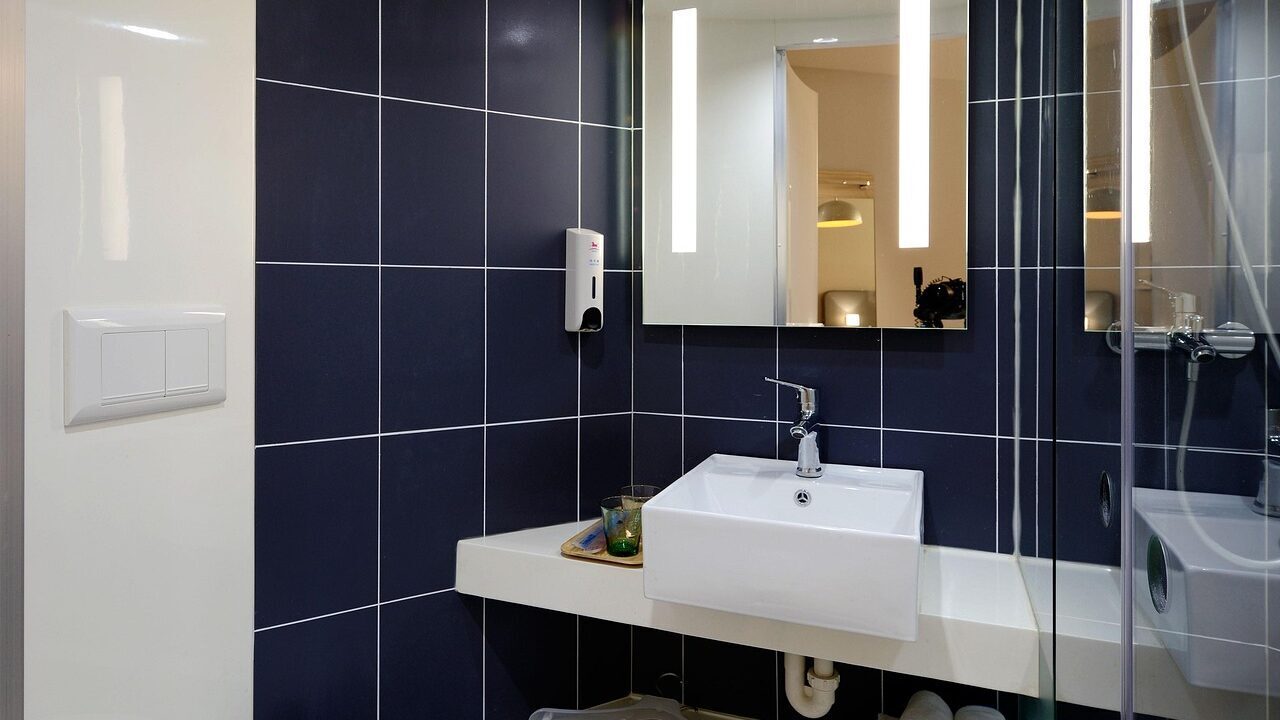
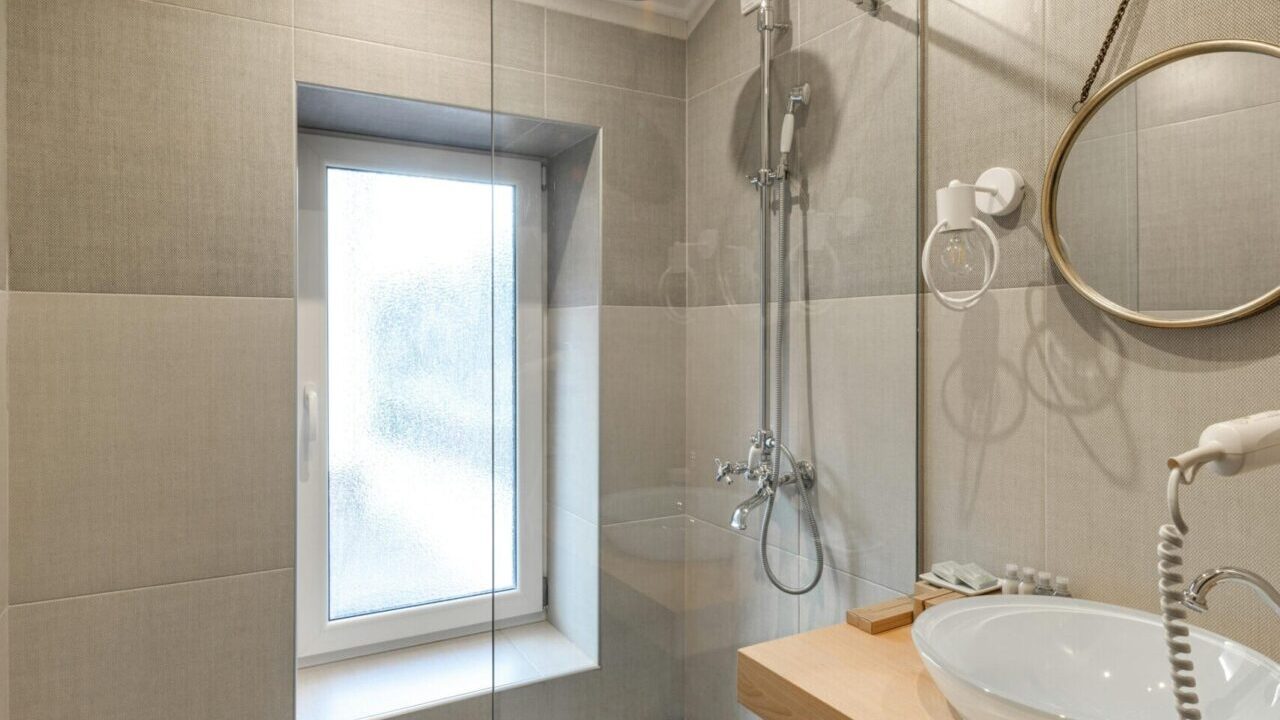
Bathroom and Sanitary Coatings
Reduced limescale deposits, soap residue, and biofilm on glass surfaces, tiles, grout lines, and fittings.
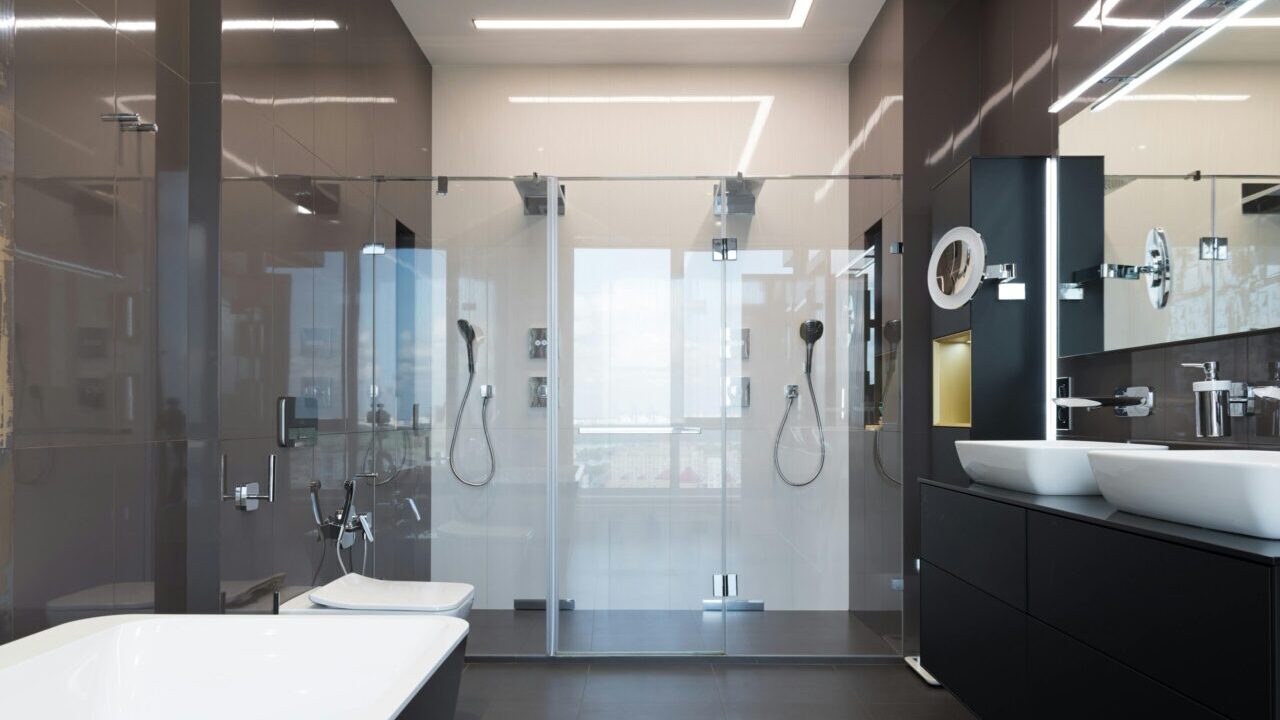
Protection for Glass and Shower Surfaces
Reduces dirt adhesion and minimises the effort required for daily and deep cleaning.
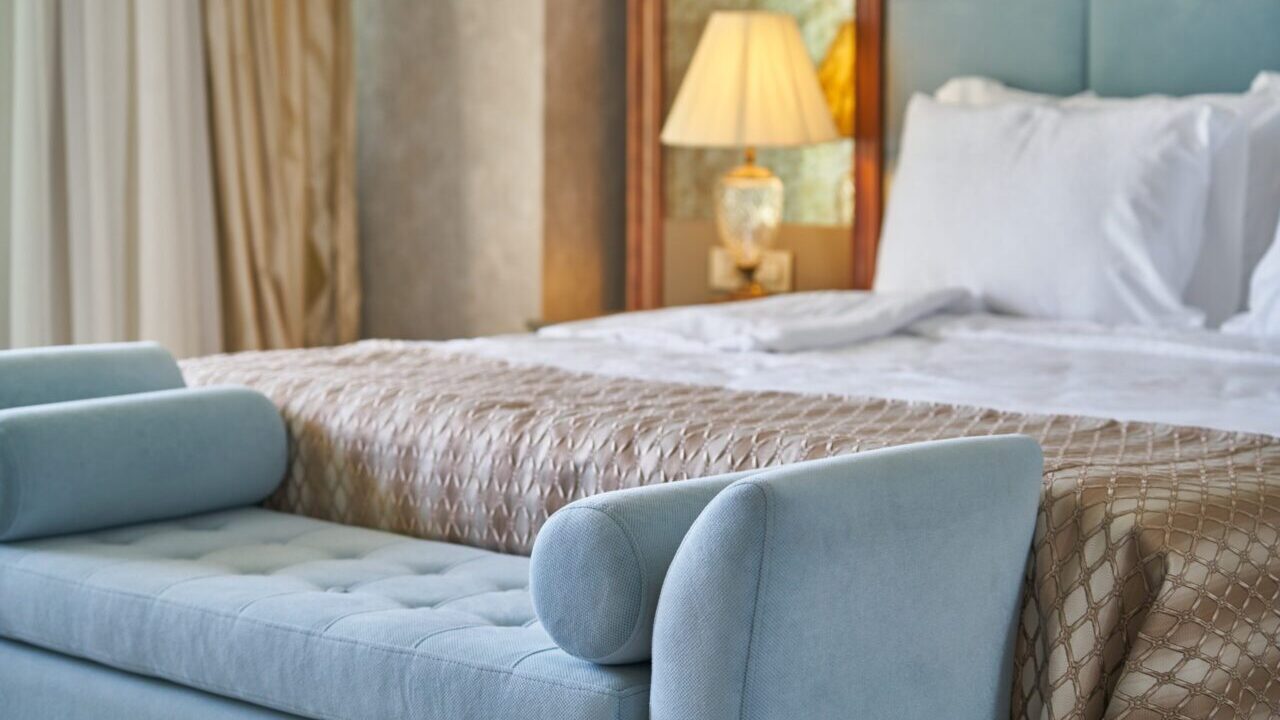
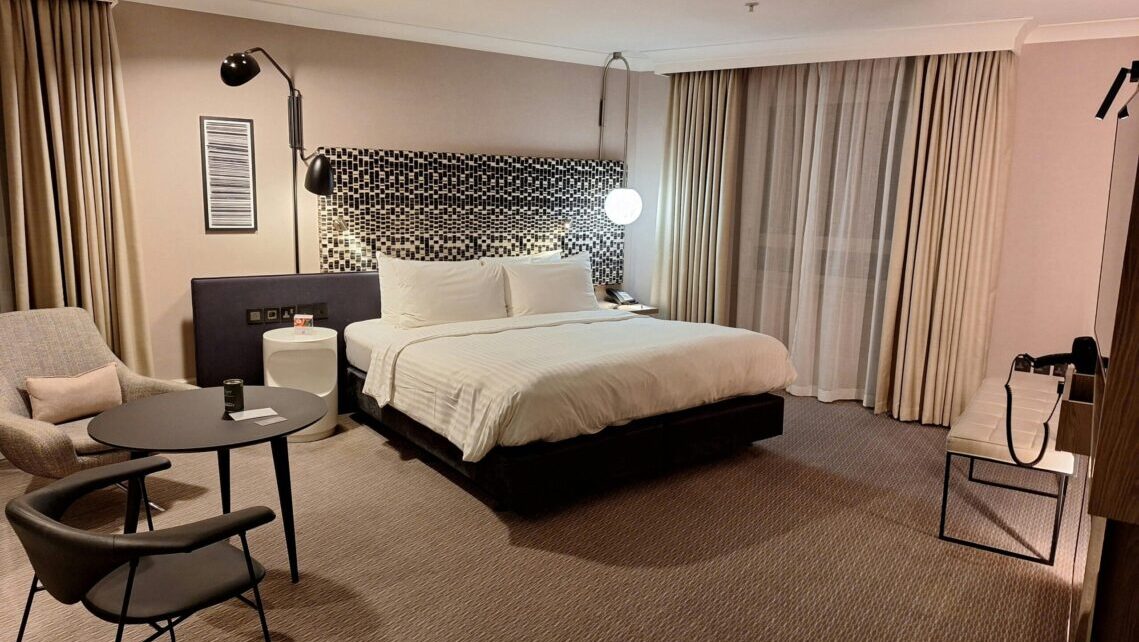
Textile and Upholstery Protection
Reduces liquid absorption and dirt penetration in carpets, upholstery, and textile surfaces.
Hygiene Solutions for Kitchens and Catering Areas
Easy-to-clean surfaces designed to meet the highest hygiene standards.
Applications Within Hotel Operations
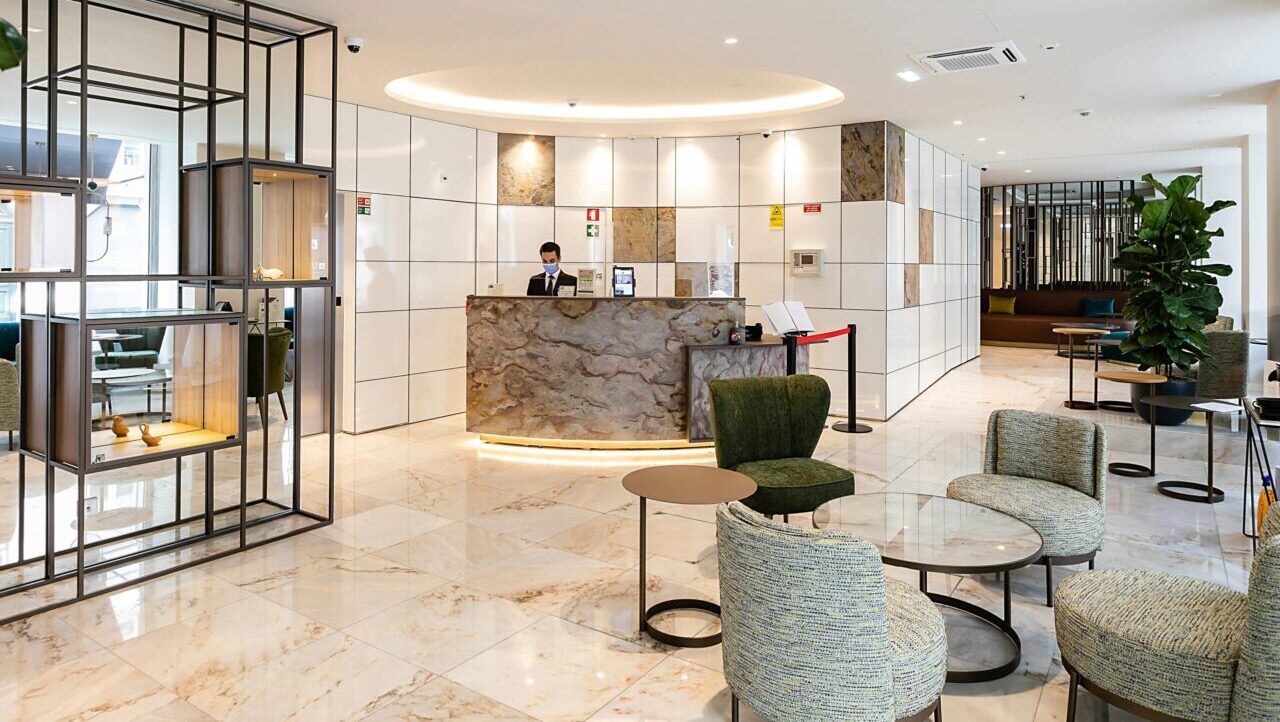
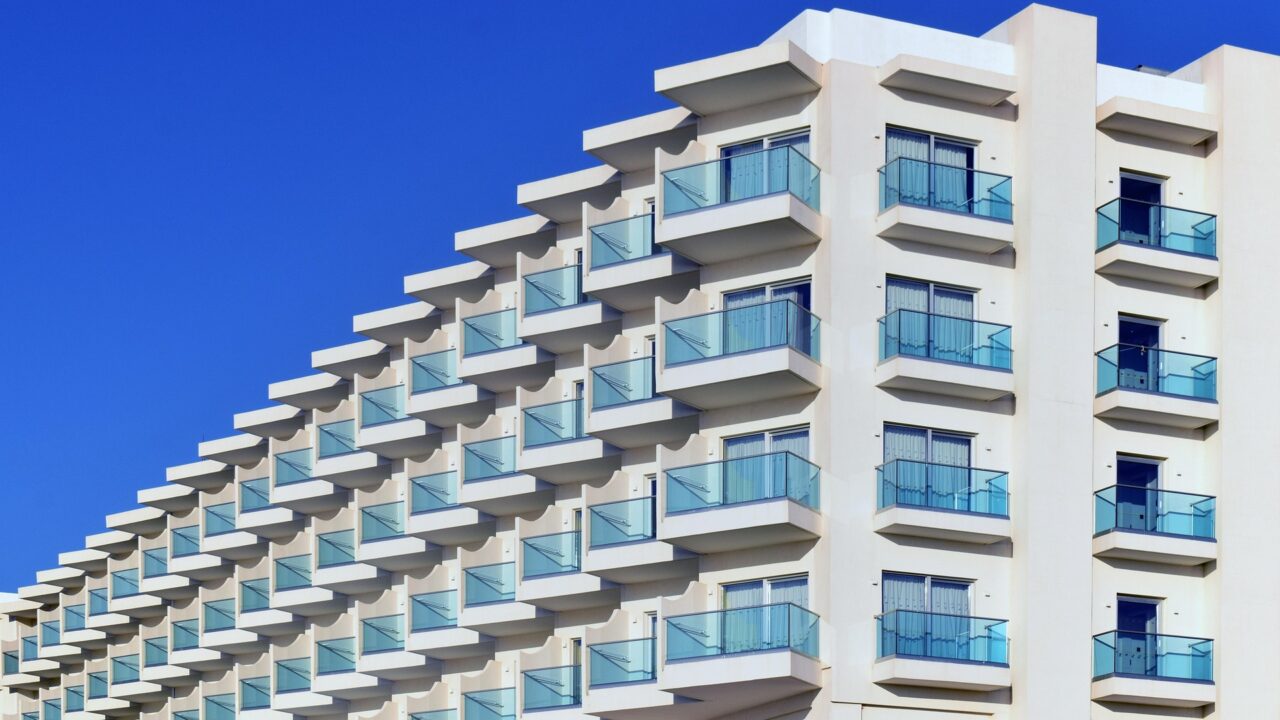
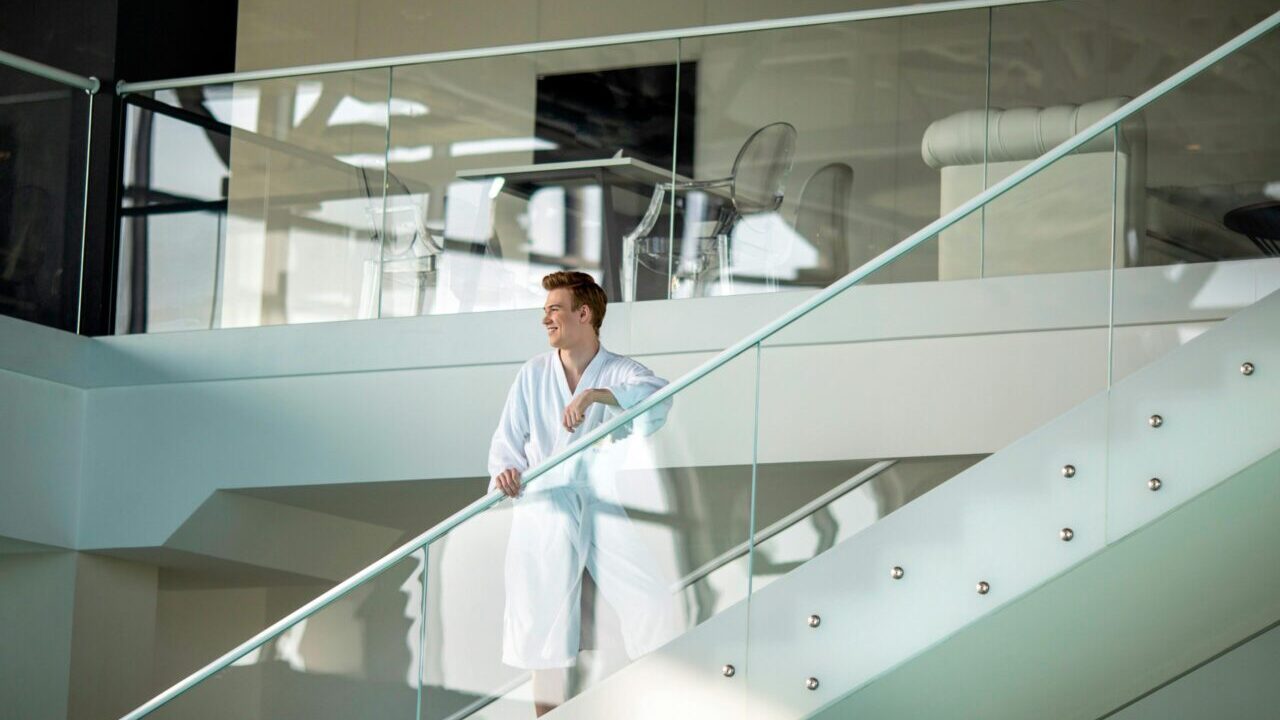
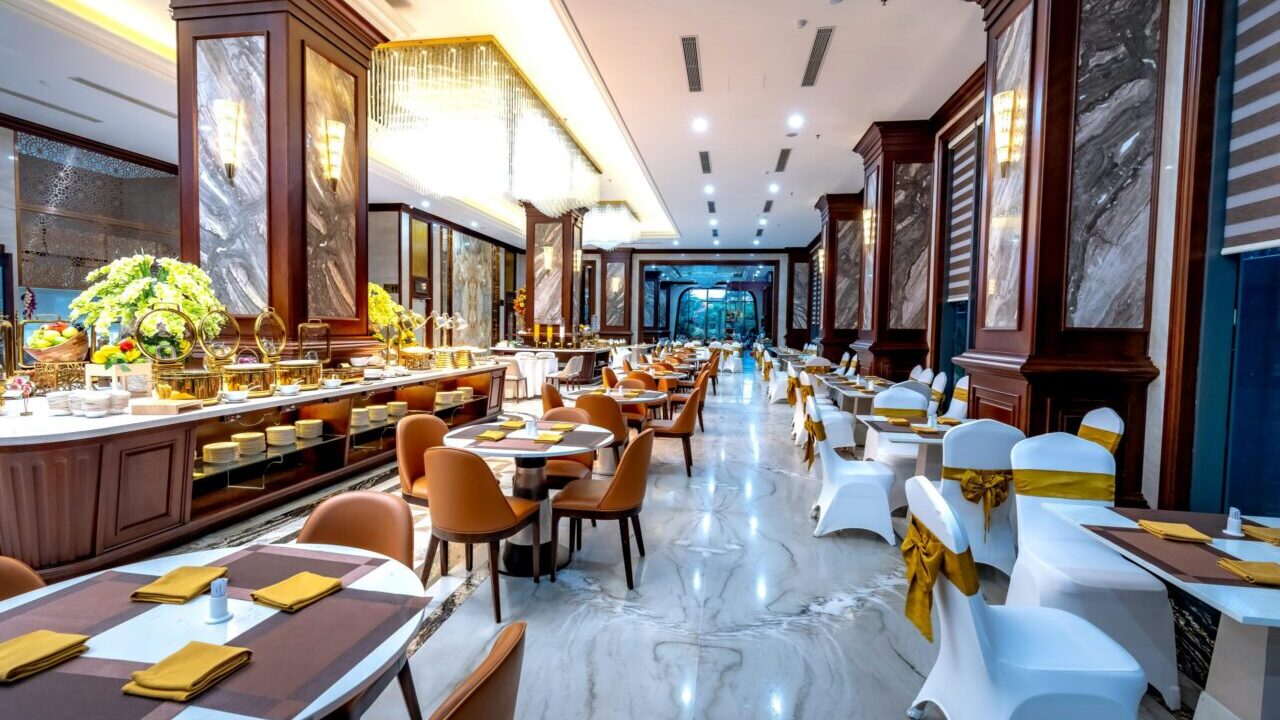
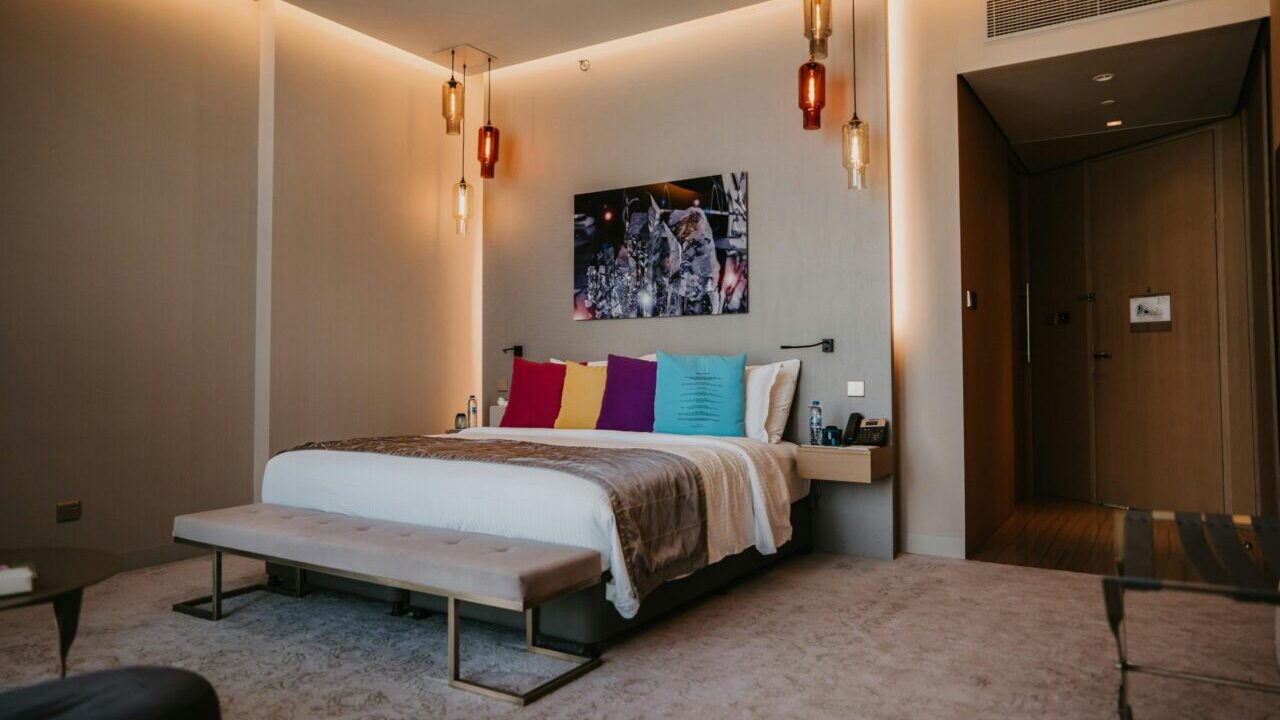
The solutions can be applied throughout all key areas of a hotel:
Typical Challenges in Hotel Operations
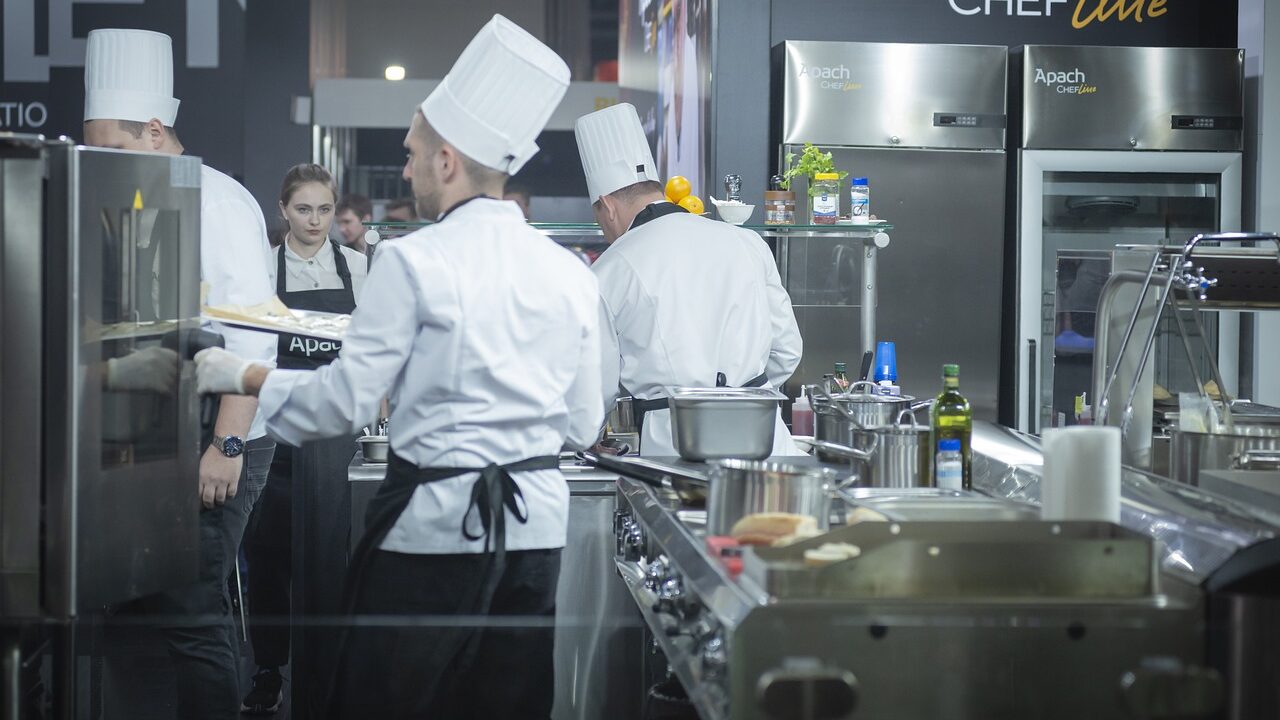
High cleaning costs, increasing time pressure in housekeeping, and growing hygiene requirements create major operational challenges for hotels.
Benefits for Hotels and Hospitality
Reduced Cleaning Effort
Up to 80% time savings in daily operations through reduced soiling and lower demand for intensive deep-cleaning procedures.
Lower Operating Costs
Reduced use of staff resources, cleaning chemicals, and water, combined with simpler and faster cleaning processes.
Improved Hygiene
Cleaner surfaces with fewer residues and reduced adhesion of dirt and contaminants.
Sustainable Operations
Less chemical usage, reduced environmental impact, and extended replacement cycles for carpets, textiles, and upholstery.
Extended Service Life
Protection against wear, deposits, and deeply embedded contamination.
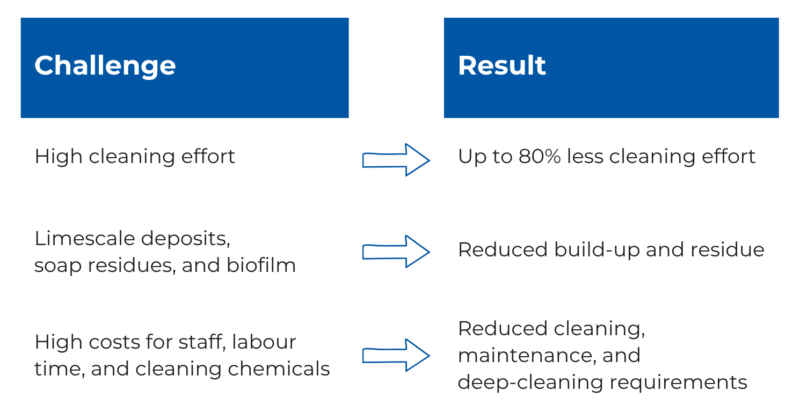
The application of NP® Liquid Glass on tiles, grout lines, and glass surfaces resulted in reduced adhesion of limescale, biofilm, and dirt. This significantly reduced cleaning effort, optimised housekeeping processes, and delivered measurable operational savings.
Case Study: Reduced Cleaning Effort in Hotel Bathrooms
Initial Situation
- Heavy limescale deposits on glass and tiles
- Soap residues and biofilm on surfaces
- High daily cleaning effort and extensive deep-cleaning requirements
- Intensive use of cleaning chemicals
Measures Implemented
Coating of glass surfaces, tiles, and fittings with a protective solution designed to reduce deposits and contamination.
Operational Results
- Significantly reduced cleaning time in daily operations
- Lower use of cleaning chemicals and reduced water consumption
- Reduced cleaning frequency and lower demand for intensive deep cleaning
- Easier and faster deep cleaning due to reduced dirt adhesion
- Visibly improved surface condition and long-term value retention
Practical Value
In comparable applications, cleaning time per unit was reduced by up to 5 minutes.
Why the Coating Works
Nanopool GmbH’s technology is based on an ultra-thin protective layer that bonds permanently with the surface.
As a result, dirt, water, and residues adhere far less effectively, allowing surfaces to remain cleaner for longer and making them significantly easier to clean.